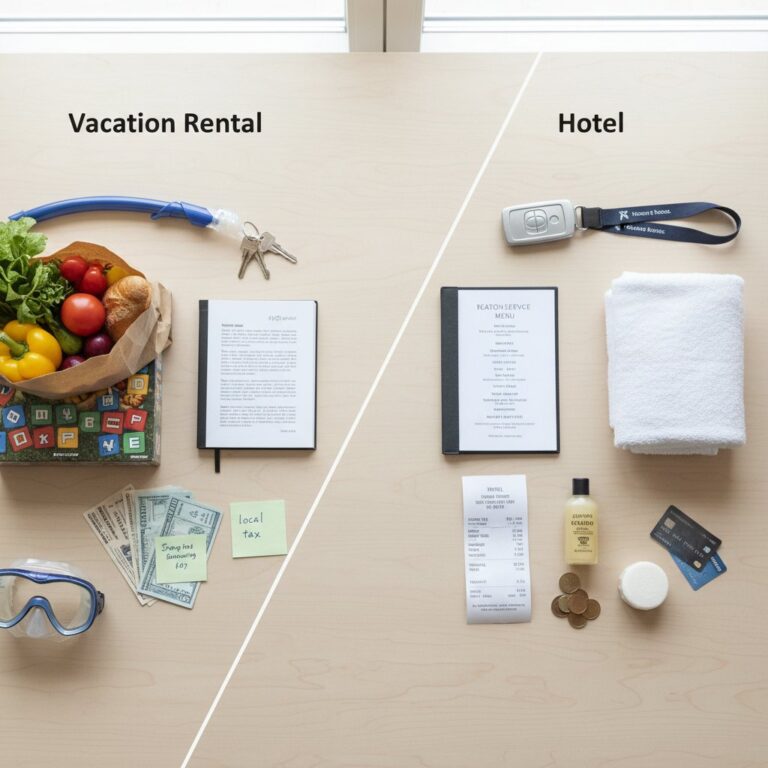


Your Dream Day: Navigating Vacation Rental Wedding Hosting – Logistics and Liability for a Seamless Celebration
The Allure of Vacation Rental Weddings: Why Choose a Unique Venue?
The trend towards non-traditional wedding venues has been steadily rising, with many couples seeking experiences that reflect their unique personalities rather than adhering to conventional ballroom settings. Vacation rentals have emerged as a prime choice for this very reason, offering a blend of intimacy, customization, and often breathtaking scenery that purpose-built venues simply can’t match. You’re not just renting a space; you’re creating a temporary home for your celebration, allowing for extended stays with family and friends that foster deeper connections.
Consider the benefits:
- Personalized Atmosphere: A vacation rental provides a “home away from home” feel, allowing for a more relaxed and intimate celebration. You have the freedom to decorate, arrange, and personalize the space to an extent rarely possible in a hotel or dedicated event hall.
- Cost-Effectiveness: While luxury rentals can be pricey, combining accommodation and venue costs can often be more budget-friendly than booking separate venues and hotels, especially for destination weddings. Plus, you save on multiple transportation costs between venues.
- Extended Celebration: Many rentals offer multi-day bookings, turning a single wedding day into a weekend-long (or longer) celebration. This allows for pre-wedding dinners, post-wedding brunches, and quality time with guests without the pressure of a tight schedule.
- Stunning Backdrops: From ocean views to mountain vistas, lakeside serenity to urban chic, vacation rentals are often situated in prime locations chosen for their aesthetic appeal, offering natural beauty that minimizes the need for extensive decorations.
- Flexibility: You often have more control over catering, vendors, and timing, allowing you to craft an event that truly matches your vision, free from the rigid restrictions of many traditional venues.
Choosing the Perfect Property: Location, Capacity, and Amenities

Selecting the right vacation rental is the cornerstone of a successful wedding. This decision isn’t just about aesthetics; it’s about functionality, guest comfort, and legal feasibility. You need to approach this with the eye of a seasoned event planner, anticipating every need and potential hurdle.
Key Considerations for Property Selection:
- Guest Capacity: This is twofold:
- Overnight Guests: How many people can comfortably sleep at the property? Ensure there are enough bedrooms and bathrooms, and clarify the maximum occupancy with the owner.
- Event Guests: How many people can the property accommodate for the actual ceremony and reception? This often differs significantly from overnight capacity. Look for large common areas, expansive outdoor spaces, and sufficient parking.
- Local Regulations & Permits: This is critical. Some municipalities have strict rules about events in residential areas, including noise ordinances, parking restrictions, and limits on guest numbers. Always research local county and city ordinances before committing.
- Owner’s Willingness & Experience: Not all vacation rental owners are open to hosting weddings. Seek out properties explicitly marketed as “event-friendly” or “wedding-friendly.” Engage in direct, transparent communication with the owner or property manager about your intentions. Ask if they have hosted weddings before and what their specific rules are.
- Amenities and Features:
- Kitchen Facilities: Is the kitchen large enough for caterers to work efficiently? Does it have commercial-grade appliances if needed?
- Outdoor Space: Is there a suitable area for a ceremony, reception, or tent setup? Consider the landscaping, lighting, and accessibility.
- Restrooms: Are there enough restrooms for the event guests, especially if you’re not planning on renting external facilities?
- Parking: Adequate parking for all guests and vendors is often a major challenge in residential areas.
- Backup Plan: What’s the indoor contingency plan in case of inclement weather? Is there enough space to move the event indoors without feeling cramped?
- Accessibility: Consider guests with mobility issues. Are there ramps, accessible bathrooms, or ground-floor bedrooms?
- Noise Regulations: Most residential areas have noise curfews. Understand these limits and plan your music and celebrations accordingly.
- Site Visits: Whenever possible, conduct an in-person site visit. Pictures online can be deceiving. Walk through the space, visualize the flow of the event, and identify any potential bottlenecks or hidden issues. If an in-person visit isn’t possible, request detailed videos or virtual tours.
Expert Tip: Don’t rely solely on property descriptions. Directly ask the owner/manager: “What is your specific policy on hosting events like weddings? What are the maximum guest counts for events, distinct from overnight stays? Are there any additional fees or insurance requirements for events?” Get these answers in writing.
Navigating the Legal Landscape: Contracts, Permits, and Local Ordinances
This is arguably the most critical section for ensuring a smooth, legally compliant, and liability-free wedding. Ignoring the legalities can lead to hefty fines, event cancellation, or even personal injury lawsuits. Proactive research and clear documentation are your best defense.
Essential Legal Steps:
- Comprehensive Rental Agreement/Contract:
- Event Clause: Ensure the rental agreement explicitly states that you are hosting a wedding/event, including the number of guests and the dates. Do NOT try to host an event discreetly; this will void your contract and insurance.
- Guest Limits: Clearly define the maximum number of overnight guests and the maximum number of event attendees.
- Noise Curfews: Detail any local noise ordinances and the property owner’s specific rules regarding music and amplified sound.
- Vendor Access: Specify access times and rules for caterers, florists, musicians, etc.
- Cleaning & Damages: Understand the cleaning fee structure and what constitutes “excessive” damage.
- Cancellation Policy: Review this carefully, especially for high-value bookings.
- Indemnification Clause: This is crucial. It often states that the renter agrees to protect the property owner from liability for injuries or damages that occur during the rental period. Understand its implications.
- Local Permits and Licenses:
- Event Permits: Many cities and counties require special event permits for gatherings exceeding a certain size, especially in residential zones. This might involve submitting a site plan, traffic management plan, and sanitation details.
- Noise Permits: If you plan on having live music or amplified sound beyond typical residential hours, you might need a special noise permit.
- Parking Permits: If street parking is limited, you might need permits for guests or vendors.
- Fire Safety: Depending on the size of the gathering and any tent structures, fire department approval might be necessary.
- HOA Rules and Neighborhood Covenants: If the property is part of a Homeowners Association (HOA), there might be additional rules regarding events, parking, noise, and even architectural modifications (like tent setup). Obtain these rules in writing and ensure compliance.
- Vendor Contracts: Ensure all your vendors (caterers, photographers, planners, rental companies) have their own liability insurance and provide you with certificates of insurance (COIs). Their contracts should also clearly define their responsibilities and limitations.
Expert Tip: Start researching local regulations and permits immediately after identifying potential properties. These processes can be time-consuming, sometimes taking months. A quick call to the local city planning department or county clerk’s office can save you immense headaches down the line. Don’t assume; verify everything.
Mastering Guest Management: Accommodation, Communication, and Event Flow

Once the legalities are in motion and the perfect property is secured, turning your attention to your guests is key. Effective guest management ensures everyone feels comfortable, informed, and able to fully enjoy the celebration without added stress for you.
Strategies for Seamless Guest Experience:
- Accommodation Logistics:
- On-Site vs. Off-Site: Clearly define who will be staying at the rental property. If only a select few (e.g., wedding party, immediate family) are staying on-site, provide recommendations for nearby hotels or other vacation rentals for the rest of your guests.
- Welcome Packs: For on-site guests, consider creating welcome packs with essentials, a house manual, Wi-Fi passwords, emergency contacts, and a local guide.
- Room Assignments: Plan room assignments in advance to avoid last-minute confusion, especially if the rental has unique room configurations or shared bathrooms.
- Crystal-Clear Communication:
- Wedding Website: Create a dedicated wedding website that includes all essential information:
- Property address and directions.
- Parking instructions (stress carpooling or ride-sharing if parking is limited).
- Dress code.
- Schedule of events (ceremony, reception, brunch, etc.).
- Local recommendations (restaurants, activities).
- Any specific house rules (e.g., no shoes indoors, pool safety, quiet hours).
- Emergency contact information.
- Pre-Arrival Email: Send a detailed email to all guests a week or two before the event, reiterating key information and answering potential questions.
- Signage: On the day of the event, use clear signage for parking, restrooms, ceremony location, and reception area to guide guests effortlessly.
- Wedding Website: Create a dedicated wedding website that includes all essential information:
- Event Flow and Logistics:
- Transportation: If parking is an issue or if guests will be enjoying alcoholic beverages, consider arranging shuttle services from nearby hotels or a central meeting point. This significantly reduces liability and stress.
- Guest Comfort:
- Weather Preparedness: Have umbrellas, blankets, or portable heaters/fans available depending on the season.
- Seating: Ensure ample seating for all guests throughout the event, not just during the ceremony.
- Restrooms: If the property’s restrooms are insufficient for the event size, rent portable luxury restroom trailers.
- Water Stations: Provide easily accessible water stations, especially for outdoor events.
- Point Person: Designate a non-wedding party member or hire a day-of coordinator to be the point person for guest questions and minor issues, allowing you to relax and enjoy your day.
Expert Tip: Over-communicate rather than under-communicate. Guests appreciate knowing what to expect. A study by Airbnb revealed that clear communication about house rules and expectations significantly reduces negative incidents and enhances guest satisfaction. Be explicit about quiet hours and any restricted areas of the property.
Vendor Coordination and On-Site Logistics: From Catering to Cleanup
The success of your wedding often hinges on the seamless collaboration of your chosen vendors. Hosting at a vacation rental introduces unique logistical considerations that require careful planning and clear communication with each professional involved.
Key Steps for Vendor Management:
- Early Engagement with Vendors:
- Property Familiarization: Arrange for key vendors (caterer, planner, photographer, DJ/band, rental company) to visit the property well in advance. This allows them to assess the space, identify power sources, water access, setup areas, and potential challenges.
- Owner Introduction: If possible, introduce your lead vendors to the property owner or manager. This fosters trust and ensures everyone is on the same page regarding property rules and access.
- Catering and Kitchen Access:
- Kitchen Assessment: Your caterer will need to assess the kitchen’s capacity, equipment (ovens, refrigeration), and workspace. Some vacation rental kitchens might not be equipped for large-scale catering, necessitating the rental of external warming ovens or refrigeration units.
- Prep and Serve Areas: Plan designated areas for food prep, plating, and serving. Ensure there’s sufficient space for a bar setup if applicable.
- Waste Management: Discuss trash and recycling disposal with your caterer and the property owner. You may need to rent additional bins or arrange for extra pickups.
- Rentals (Tents, Tables, Chairs, Linens):
- Delivery & Pickup: Coordinate precise delivery and pickup times with your rental company, ensuring they align with your rental period and the owner’s access rules.
- Setup & Teardown: Understand who is responsible for setting up and tearing down tables, chairs, and tents. Ensure the rental company is aware of any property restrictions (e.g., no staking tents in certain areas).
- Damage Prevention: Use protective mats under tents and heavy equipment to prevent damage to lawns or patios.
- Music and Entertainment:
- Power Requirements: Ensure there are adequate power outlets and circuits for sound systems, lighting, and any other electrical equipment.
- Noise Control: Reiterate local noise ordinances and the property’s quiet hours to your DJ or band. Position speakers away from neighboring properties.
- Stage/Performance Area: Designate a suitable area for performers, considering acoustics and guest visibility.
- Lighting and Ambiance:
- Outdoor Lighting: Plan for sufficient lighting for evening events, including pathways, restrooms, and reception areas. String lights, lanterns, or floodlights can create ambiance and ensure safety.
- Indoor Lighting: Assess the existing indoor lighting and consider supplemental lighting to enhance the mood or highlight specific areas.
- Cleanup and Post-Event Protocol:
- Vendor Responsibilities: Clearly define each vendor’s cleanup responsibilities in their contracts (e.g., caterers removing all food waste, rental companies disassembling and removing their items).
- Final Walk-Through: Conduct a thorough walk-through with your planner or a designated person after all vendors have departed to check for damages, forgotten items, and ensure the property is left in the agreed-upon condition.
Expert Tip: Create a detailed timeline and contact list for all vendors. Share this with everyone involved. A study from the Event Leadership Institute highlights that clear communication and pre-event site visits are the top factors in preventing day-of logistical failures. Consider a professional wedding planner who specializes in non-traditional venues; their expertise is invaluable.
Understanding and Mitigating Liability: Insurance, Damage, and Noise Control
This is where the “liability” aspect of vacation rental wedding hosting truly comes into play. Protecting yourself, your guests, the property, and the owner from potential risks is paramount. A proactive approach to liability management is not just smart; it’s essential for peace of mind.
Key Pillars of Liability Mitigation:
- Event Liability Insurance (Crucial!):
- What it Covers: Standard homeowner’s or renter’s insurance policies typically do NOT cover events like weddings. You absolutely need to purchase a separate “event liability insurance” policy. This covers you in case of injury to a guest, property damage (beyond normal wear and tear), or other incidents that occur during your event.
- Property Owner as Additional Insured: Most property owners will require you to list them as an “additional insured” on your policy. This protects them directly if a claim arises from your event.
- Alcohol Liability (Host Liquor Liability): If you are serving alcohol (even if it’s “bring your own”), ensure your event liability policy includes host liquor liability coverage. This protects you if an intoxicated guest causes an accident after leaving your event.
- Vendor Insurance: Require all your vendors (caterers, bartenders, DJs, rental companies) to provide you with certificates of insurance (COIs) showing their own liability coverage.
- Property Damage and Security Deposits:
- Before & After Inspection: Conduct a thorough photo and video inspection of the property upon arrival and departure. Document the condition of the property, furnishings, and any existing damage. Share this with the owner/manager.
- Clear Damage Policy: Understand the property owner’s policy on damages. What is covered by the security deposit? What falls under normal wear and tear?
- Guest Responsibility: Clearly communicate to your guests that they are responsible for their actions and any damage they might cause.
- Noise Control and Neighbor Relations:
- Communicate with Neighbors: If possible and with the owner’s permission, consider informing immediate neighbors about your event in advance. A small gesture, like a note with contact information for a designated point person, can go a long way in preventing complaints.
- Adhere to Curfews: Strictly enforce local noise ordinances and the property’s quiet hours. Plan for music to end and guests to disperse accordingly.
- Sound Management: Position speakers strategically to direct sound away from neighbors. Consider a sound limiter if the property owner recommends it.
- Emergency Preparedness:
- Emergency Contacts: Have a list of emergency contacts readily available: local police, fire department, nearest hospital, property owner/manager, and your designated event point person.
- First Aid: Designate a first aid station with basic supplies.
- Evacuation Plan: Be aware of the property’s fire exits and any evacuation procedures.
- Contractual Agreements: As mentioned, ensure your rental agreement explicitly covers event hosting, liabilities, and responsibilities. This legal document is your primary defense.
Expert Tip: Do not skimp on event liability insurance. The cost is a small investment compared to the potential financial devastation of a lawsuit. Many policies are surprisingly affordable, often ranging from $100-$500 for a basic policy. Discuss your needs with a specialized event insurance broker, as they can tailor coverage to your specific event and location. For example, a report by Allianz Global Assistance highlights that event insurance can cover unexpected cancellations, vendor no-shows, and liability claims, providing comprehensive peace of mind.
Comparison: Vacation Rental Wedding Venue Types
Choosing the ideal vacation rental depends heavily on your vision, guest count, and budget. Here’s a comparative look at popular types of properties often chosen for weddings:
| Venue Type | Typical Overnight Capacity | Event Guest Capacity (approx.) | Estimated Rental Cost (3-day weekend) | Key Features & Suitability |
|---|---|---|---|---|
| Luxury Beachfront Villa | 10-20 guests | 50-100 guests | $5,000 – $15,000+ | Direct beach access, ocean views, large patios/decks, often includes pool. Ideal for intimate to medium-sized elegant coastal weddings. Requires careful consideration of beach permits and sand cleanup. |
| Rustic Mountain Lodge | 15-30 guests | 75-150 guests | $4,000 – $12,000 | Wooded surroundings, scenic views, large communal areas, fireplaces. Perfect for cozy, nature-inspired, or winter weddings. May have limited road access in winter; parking can be a challenge. |
| Historic Estate/Mansion | 12-25 guests | 80-200 guests | $6,000 – $20,000+ | Grand architecture, sprawling gardens, multiple reception rooms. Offers a classic, elegant, or vintage feel. Often comes with stricter rules regarding modifications and sound. |
| Lakeside Retreat | 8-18 guests | 40-80 guests | $3,500 – $9,000 | Waterfront views, private docks, often includes water sports equipment. Great for relaxed, outdoor, and summer weddings. Consider water safety and insect control. |
| Desert Oasis Home | 10-20 guests | 60-120 guests | $4,500 – $10,000 | Stunning desert landscapes, modern design, often features infinity pools and outdoor living spaces. Ideal for unique, chic, and warm-climate celebrations. Requires planning for heat, shade, and water supply. |
Note: Costs are estimates and can vary widely based on location, season, property amenities, and demand. Always confirm specific event capacities and associated fees directly with the property owner or manager.
Budgeting for Bliss: Unexpected Costs and Smart Financial Planning
While vacation rental weddings can be more cost-effective than traditional venues, they often come with a unique set of hidden or easily overlooked expenses. A comprehensive budget plan is essential to prevent unwelcome surprises and ensure your dream day doesn’t turn into a financial headache.
Anticipating and Planning for Costs:
- Rental Fees & Deposits:
- Base Rental Fee: The cost for the property itself, typically for a minimum number of nights (e.g., 2-3 nights for a weekend).
- Event Fee/Premium: Many owners charge an additional fee for hosting an event, separate from the standard rental rate. This covers increased wear and tear, additional utilities, and the inconvenience to neighbors.
- Security Deposit: Often higher for events. Ensure you understand the conditions for its return.
- Cleaning Fee: Expect this to be higher for an event than a standard stay.
- Permits & Licenses:
- Local Event Permits: Can range from a few hundred to over a thousand dollars, depending on the municipality and event size.
- Noise Permits: If required, an additional cost.
- Insurance:
- Event Liability Insurance: Budget $100-$500, or more for extensive coverage or high-risk elements.
- Vendor Insurance: While vendors should have their own, ensure you’ve factored in any requirements for them to provide COIs.
- Utilities & Services:
- Increased Utility Usage: More guests mean more electricity, water, and heating/cooling. Some owners might have clauses for excessive utility use.
- Waste Management: Budget for additional trash bins, extra pickups, or a dedicated waste removal service, especially for large events.
- Restroom Rentals: If the property’s facilities are insufficient, portable luxury restrooms can add $500-$2000+.
- Site Preparation & Rentals:
- Tents, Tables, Chairs, Linens: These are significant expenses, often ranging from $1,000 to $5,000+ depending on guest count and quality.
- Lighting & Sound: Rental of additional lighting, sound systems, and generators (if needed) can add hundreds to thousands.
- Flooring/Dance Floor: For outdoor areas, a dance floor or temporary flooring can be necessary and costly.
- Decorations & Flowers: Budget for personalized touches.
- Staffing:
- Event Coordinator: Highly recommended, especially for non-traditional venues. Budget $1,500-$5,000+.
- Security: For larger events or those serving alcohol, security personnel might be required or advisable.
- Parking Attendants: If parking is complex, attendants can be invaluable.
- Cleanup Crew: Beyond the standard cleaning fee, you might want to hire a dedicated crew for post-event tidying.
- Transportation:
- Shuttles: If you’re providing guest transportation, this can be a significant cost.
- Vendor Delivery Fees: Some vendors charge extra for delivery, setup, and pickup, especially if the location is remote or access is difficult.
- Contingency Fund: Always allocate 10-15% of your total budget for unexpected expenses or emergencies. This is your buffer for things like sudden weather changes requiring extra tent rentals, or minor damages.
Expert Tip: Create a detailed spreadsheet for your budget, categorizing every potential expense. Get quotes from multiple vendors and property owners. A report from The Knot suggests that couples often underestimate their wedding budget by 20-30%, primarily due to overlooking “hidden” costs like permits, extra fees, and contingency funds. Be transparent with your property owner and vendors about your budget and expectations to avoid surprises.
Post-Event Protocol: Ensuring a Smooth Departure and Positive Reviews
The wedding celebration might be over, but your responsibilities as a host continue until the property is returned in excellent condition. A meticulous post-event protocol is crucial for securing your security deposit, maintaining a positive relationship with the property owner, and leaving a lasting positive impression.
Steps for a Flawless Post-Wedding Wrap-up:
- Vendor Teardown and Departure:
- Clear Schedule: Ensure all vendors have a precise schedule for teardown and removal of their equipment. This should be coordinated to happen within the agreed-upon rental period.
- Supervision: Have your planner or a designated person oversee vendor departures to ensure nothing is left behind and no damage occurs during the process.
- Thorough Cleanup:
- Primary Responsibility: While you’ve paid a cleaning fee, understand what’s expected of you. This typically includes removing all personal belongings, food waste, and excessive trash.
- Waste Removal: Confirm that all trash, recycling, and food waste have been properly disposed of, ideally off-site or in designated bins with scheduled pickups. Overflowing bins can attract pests and incur additional charges.
- Basic Tidy-Up: Even if professional cleaners are coming, a basic tidy-up (e.g., wiping down surfaces, sweeping major debris) is a good practice and shows respect for the property.
- Property Inspection:
- Detailed Walk-Through: Before final departure, conduct a comprehensive walk-through of the entire property (indoors and outdoors) with your planner or a trusted friend. Compare its condition to your arrival photos/videos.
- Document Everything: Take new photos and videos of the property’s condition upon departure. This documentation is your best defense in case of any disputes over damages.
- Check for Forgotten Items: Double-check all rooms, closets, and common areas for any personal items left behind by guests or vendors.
- Communication with Property Owner/Manager:
- Departure Notification: Inform the owner/manager immediately upon your final departure.
- Address Issues Promptly: If you notice any minor damage or issues during your departure inspection, inform the owner/manager proactively. Honesty is always the best policy.
- Security Deposit Return: Clarify the timeline for the return of your security deposit and what the process entails.
- Express Gratitude: A thank-you note or email to the property owner/manager can go a long way in building goodwill, especially if you plan to recommend the property or consider future stays.
Expert Tip: Your post-event diligence directly impacts your security deposit refund and your reputation as a renter. Platforms like Airbnb and Vrbo track guest behavior, and leaving a property in excellent condition can lead to glowing reviews from owners, making it easier to book future rentals. Aim to leave the property in a condition you would want to find it in, if not better. This professionalism reflects positively on you and your event.
Key Takeaways
- Thorough Research is Non-Negotiable: Verify property suitability, local permits, and HOA rules before booking any vacation rental for a wedding.
- Contractual Clarity is King: Ensure your rental agreement explicitly details event hosting, guest limits, noise rules, and liability clauses.
- Event Liability Insurance is Essential: Purchase a separate policy and list the property owner as an additional insured to protect against unforeseen incidents and