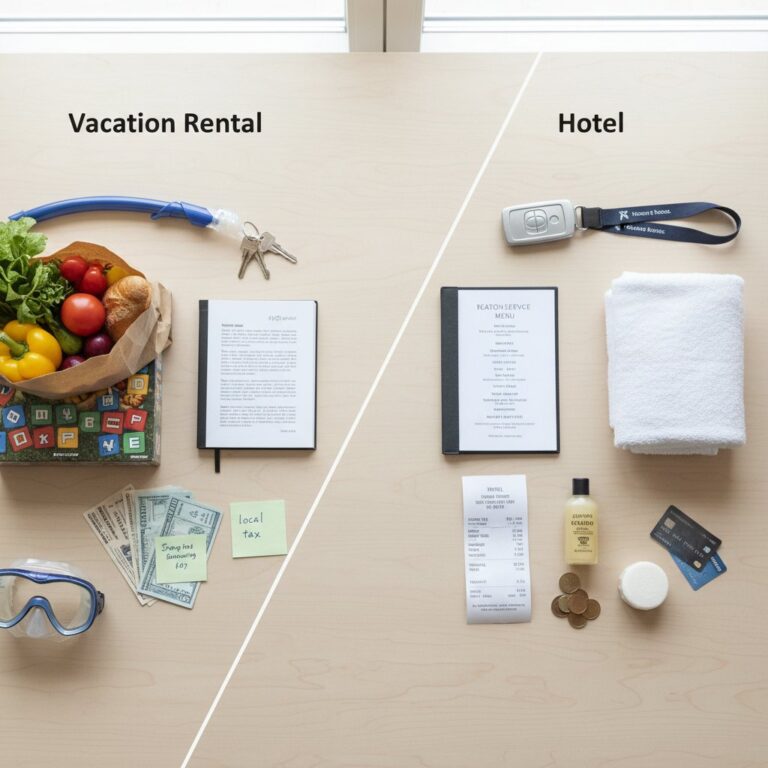


Navigating Vacation Rental Local Regulations: Understanding Permit and License Patterns for Your Next Trip
For vacation planners and families like yours, understanding these patterns isn’t just about avoiding trouble; it’s about ensuring a safe, reliable, and stress-free travel experience. As the vacation rental industry continues its exponential growth – with market valuations soaring and millions choosing private homes over hotels – local governments are increasingly stepping in to regulate. This article will equip you with the knowledge to confidently navigate this landscape, helping you identify compliant rentals and ask the right questions, so your focus remains squarely on making unforgettable memories.
Why Vacation Rental Regulations Matter More Than Ever for Travelers
The allure of vacation rentals is undeniable: more space, greater privacy, unique local experiences, and often better value than traditional hotels. This appeal has fueled an explosion in the sector, transforming how millions travel. However, with this rapid expansion comes a host of challenges for local communities, leading to a significant increase in regulatory oversight. What was once a relatively unregulated peer-to-peer sharing economy is now a sophisticated, multi-billion-dollar industry under intense scrutiny.
For you, the traveler, these regulations are not just bureaucratic hurdles for property owners; they are fundamental to your travel experience. They encompass everything from safety standards and noise ordinances to taxation and community impact. When a property operates outside these regulations, it can lead to several risks:
- Last-Minute Cancellations: Local authorities can shut down non-compliant rentals, leaving you stranded without accommodation.
- Compromised Safety: Unregulated properties might not adhere to critical safety codes, such as fire alarms, carbon monoxide detectors, or proper egress.
- Legal Complications: While less common for guests, staying in an illegal rental could inadvertently place you in a difficult situation if local authorities investigate.
- Disrupted Stays: Fines, warnings, or even forced evictions for the property owner can directly impact your vacation.
- Lack of Consumer Protection: Platforms often have policies, but if the underlying operation is illegal, your recourse might be limited.
Common Regulatory Patterns You’ll Encounter Across Destinations

While specific rules vary dramatically from one city to the next, several common patterns emerge in how local governments regulate vacation rentals. Recognizing these will help you understand what questions to ask and what to look for when booking your next stay.
1. Registration and Licensing Requirements
Many destinations now require short-term rental properties to be registered with the local municipality or obtain a specific operating license. This is perhaps the most common regulatory pattern.
- Registration: Often involves providing basic contact information, property details, and sometimes a declaration of compliance with other local laws. A registration number is typically issued.
- Licensing: A more rigorous process, often requiring property inspections, proof of insurance, payment of fees, and adherence to specific operational standards. Licenses usually need to be renewed periodically.
Expert Tip: Always look for a registration or license number prominently displayed in the listing description or photos. If you don’t see one, don’t hesitate to ask the host for it. Many cities now have online registries where you can verify a property’s status using this number.
2. Zoning Restrictions and Permitted Use
Zoning laws dictate how land can be used within a municipality. Many cities have specific zones where short-term rentals are either permitted, prohibited, or only allowed under certain conditions.
- Residential Zones: Often the most contentious area. Some cities ban short-term rentals in purely residential zones to protect neighborhood character.
- Commercial/Mixed-Use Zones: More likely to permit short-term rentals, sometimes with fewer restrictions.
- Overlay Districts: Specific areas, often tourist-heavy, where special rules apply.
You might encounter rules like “owner-occupied only” (meaning the host must live on the property for a certain number of days per year) or “primary residence only” (the rental must be the host’s main home).
3. Occupancy Limits and Guest Restrictions
To prevent overcrowding and ensure safety, many regulations impose limits on the number of guests allowed per property, often tied to the number of bedrooms or available sleeping areas. There might also be rules regarding minimum stay lengths (e.g., no rentals shorter than 30 days) or restrictions on events and parties.
4. Health, Safety, and Building Codes
These are critical for your well-being. Regulations often mandate:
- Working smoke and carbon monoxide detectors.
- Proper fire extinguishers.
- Adequate egress (exits) in case of emergency.
- Maintained electrical, plumbing, and HVAC systems.
- Accessibility features (though less common for all rentals, some jurisdictions require it).
These often align with standard building codes but are specifically enforced for short-term rentals.
5. Taxation and Fees
Just like hotels, vacation rentals are increasingly subject to various taxes. These can include:
- Transient Occupancy Tax (TOT) / Hotel Tax: A percentage charged on the rental amount, typically passed on to the guest.
- Sales Tax: In some states/countries, general sales tax applies.
- Tourism Fees: Special levies to fund local tourism initiatives or infrastructure.
Many major booking platforms (like Airbnb and Vrbo) collect and remit these taxes on behalf of hosts in compliant jurisdictions, simplifying the process. However, always double-check your booking breakdown to ensure taxes are included and properly accounted for.
Diving Deeper: Case Studies of Diverse Regulatory Landscapes
To illustrate the spectrum of vacation rental regulations, let’s examine a few real-world (or representative) scenarios. This will give you a clearer picture of what to expect when planning your travels.
Case Study 1: Highly Regulated Urban Hub – New York City, USA
New York City is notorious for its strict short-term rental laws, primarily aimed at preserving housing stock and neighborhood integrity.
- Key Regulation: The “30-day rule” is paramount. If a rental is for less than 30 days, the host must be present during the stay (sharing their home). Entire apartment rentals for less than 30 days are generally illegal unless in a specific commercial zone or a registered B&B.
- Impact on Travelers: You’ll find very few legal entire-home rentals for short stays on major platforms. Listings that appear to be entire-home rentals for less than 30 days are likely non-compliant and carry a high risk of cancellation or legal issues. Your best bet for shorter stays is a private room in a host’s occupied apartment or a hotel.
- What to Look For: Explicit mention of the host being present, or a minimum stay of 30 days. Be highly skeptical of any listing that doesn’t fit this mold.
Statistic Insight: Cities like NYC, with severe housing shortages, often implement the strictest short-term rental laws. Research from organizations like the NYU Furman Center for Real Estate and Urban Policy frequently highlights the link between unregulated short-term rentals and rising housing costs, driving these legislative efforts.
Case Study 2: Moderately Regulated Tourist Destination – Orlando, Florida, USA
Orlando, a global tourism hotspot, takes a more pragmatic approach, balancing tourism needs with community concerns.
- Key Regulations: The City of Orlando requires a Short-Term Rental Permit for properties rented for less than 30 days. This involves an application, fees, property inspections (for safety, parking, noise), and adherence to specific zoning. Many areas within Orlando and surrounding counties (like Osceola and Polk) have dedicated “resort zoning” where short-term rentals are explicitly permitted and encouraged.
- Impact on Travelers: You’ll find a vast array of compliant vacation rentals, especially in designated resort communities. Hosts are generally well-versed in the permit process.
- What to Look For: Hosts should be able to provide their City of Orlando Short-Term Rental Permit number. In resort communities, while specific city permits might not apply, properties are often part of master-planned developments designed for short-term stays with HOA rules that govern operations.
Case Study 3: Emerging Market / Less Regulated Rural Area – Vermont, USA (General Rural)
In many rural or less densely populated areas, regulations can be less stringent or still evolving.
- Key Regulations: Often, state-level regulations might exist (e.g., for health and safety, fire codes), but local municipal ordinances might be minimal or non-existent. Some towns might have basic registration or fire safety requirements, but comprehensive licensing is less common.
- Impact on Travelers: You might not find a specific “permit number” in these areas. This doesn’t necessarily mean the property is operating illegally, but it places more emphasis on the host’s diligence regarding general safety and local nuisance laws.
- What to Look For: Focus on basic safety assurances (smoke detectors, exits), clear communication from the host, and positive reviews mentioning safety and cleanliness. If you have concerns, you can always contact the local town clerk’s office to inquire about any specific local rules.
This comparison table further illustrates the varying landscapes:
| Destination Example | Typical Regulatory Environment | Common Permit/License | Estimated Annual Permit Cost (USD) | Key Restrictions for Travelers to Note | Ease of Verifying Compliance |
|---|---|---|---|---|---|
| New York City, NY | Highly Restrictive (Housing Preservation Focus) | Host-present requirement for stays < 30 days; very few commercial STR licenses. | N/A (as most short-term entire home rentals are illegal) | Entire home rentals < 30 days are generally illegal unless host is present. | Difficult; assume non-compliance unless host explicitly states presence or 30+ day stay. |
| Orlando, FL (City Proper) | Moderately Regulated (Tourism & Housing Balance) | City of Orlando Short-Term Rental Permit | $275 (initial application) + inspection fees | Zoning restrictions apply; must meet safety and occupancy standards. | Moderate; look for permit number in listing or ask host. |
| Miami Beach, FL | Highly Restrictive (Residential Protection) | Business Tax Receipt & Resort Tax Registration; very limited STR zones. | ~$500 – $1,000+ (initial & annual renewal) | Strict zoning; massive fines for non-compliance; many residential areas prohibit STRs. | Difficult; strict zones mean many listings are illegal. Verify address against city’s STR map. |
| Asheville, NC | Moderately Restrictive (Residential Protection) | Short-Term Rental Permit (owner-occupied only in most residential zones) | $250 (initial) + $50 (annual renewal) | Most residential areas only allow STRs if the owner lives on-site. | Moderate; look for permit number and confirm owner-occupancy if in residential. |
| Rural Vermont (Example) | Minimally Regulated (Evolving) | Often none at municipal level; state health/fire codes apply. | Varies (often none specific to STR) | Focus on general safety and host communication. | Lower; rely more on host communication and reviews for safety. |
The Permit and License Application Process: What Hosts Go Through (and Why It Matters to You)

While you, as the guest, aren’t responsible for obtaining permits, understanding the typical process a host must navigate provides valuable context. It highlights the effort and investment a compliant host makes, giving you confidence in their operation.
A typical permit and license application process for a vacation rental host might involve:
- Researching Local Ordinances: Identifying specific city, county, and sometimes state-level rules.
- Zoning Verification: Confirming the property’s eligibility for short-term rentals based on its zoning designation.
- Application Submission: Filling out detailed forms, often requiring property blueprints, emergency contact information, and proof of ownership.
- Fee Payment: Paying non-refundable application fees, which can range from tens to thousands of dollars annually.
- Property Inspections: Undergoing safety inspections for fire codes, structural integrity, and general habitability. This might include checking smoke detectors, carbon monoxide detectors, fire extinguishers, and clear egress paths.
- Proof of Insurance: Providing evidence of adequate liability insurance, sometimes requiring specific short-term rental policies.
- Tax Registration: Registering for and agreeing to collect and remit local transient occupancy or hotel taxes.
- Community Impact Plan: In some areas, hosts must outline how they will address potential neighborhood concerns (noise, parking, trash).
- Obtaining a Business License: Beyond a specific STR permit, many jurisdictions require any commercial activity, including short-term rentals, to have a general business license.
- Ongoing Compliance: Renewing permits annually, keeping insurance current, and adhering to all operational rules.
This comprehensive process ensures that properties meet certain standards, contribute fairly to local taxes, and operate responsibly within their communities. When you see a host proudly display their license number, it signifies they’ve gone through this often-onerous process, investing time and money into providing a legitimate and safe rental experience.
Ensuring Your Vacation Rental is Compliant: What to Ask and Look For
Now that you understand the regulatory landscape, how can you, as a vacation planner, ensure the property you’re booking is compliant? It’s simpler than you might think, and a few proactive steps can save you a lot of hassle.
1. Scrutinize the Listing Description
- Look for Permit Numbers: Many compliant cities require hosts to display their registration or license number directly in the listing. If a city is known for strict regulations (e.g., New Orleans, San Francisco, New York City), and you don’t see a number, be cautious.
- Read the “House Rules” Carefully: These can sometimes hint at compliance. For example, rules about quiet hours, parking, or guest limits might be directly tied to local ordinances.
- Check for Disclaimers: Some hosts might explicitly state they are operating legally or mention specific local laws they adhere to.
2. Leverage Booking Platform Features
- Platform-Verified Listings: Some platforms are working with cities to identify and highlight compliant listings. Look for badges or indicators that suggest the property meets local requirements.
- Review the Cancellation Policy: While not directly related to compliance, a flexible cancellation policy offers more protection if an issue arises.
3. Ask the Host Direct Questions
Don’t be shy! A reputable, compliant host will be happy to answer your questions. Here are some examples:
- “Does your property have all the necessary local permits and licenses to operate as a short-term rental?”
- “Could you provide your [City Name] short-term rental registration/license number?” (Then, if available, verify it on the city’s public registry.)
- “Are there any specific local ordinances or HOA rules I should be aware of regarding noise, parking, or guest limits?”
- “Are smoke detectors and carbon monoxide detectors installed and functional? Is there a fire extinguisher?”
4. Research the Destination’s Regulations
A quick online search for “[City Name] short-term rental laws” or “[City Name] Airbnb regulations” can provide a wealth of information. Many cities have dedicated government websites outlining their specific rules, public registries for permits, and even FAQs for travelers.
5. Trust Your Gut and Reviews
If something feels off, it probably is. Extremely low prices in a high-demand, highly regulated area could be a red flag. Read reviews for any mention of cancellations, host unresponsiveness, or issues with local authorities. While reviews don’t guarantee compliance, they can offer insights into the host’s professionalism and the property’s operation.
The Financial and Legal Implications of Non-Compliance (For Hosts, but Relevant for Guests to Know)
While the primary burden of compliance rests on the property owner, understanding the severe consequences of non-compliance for hosts underscores why it’s so important for you to choose a legitimate rental. These implications can directly impact your stay:
- Hefty Fines: Many cities impose significant daily or per-violation fines on hosts operating illegally. In some jurisdictions, these can run into thousands of dollars per day.
- Legal Action and Litigation: Local governments can issue cease and desist orders, pursue civil litigation, or even initiate criminal charges in extreme cases.
- Forced Closure and Eviction: Non-compliant properties can be shut down, potentially leading to your booking being canceled last minute or even being asked to vacate mid-stay.
- Loss of Platform Access: Major booking platforms often have policies against illegal listings and can remove non-compliant hosts, impacting their ability to operate.
- Insurance Invalidation: Operating illegally can void a host’s property insurance, leaving them (and potentially you, in case of an incident) unprotected.
- Damage to Reputation: For hosts, being flagged as non-compliant can severely damage their reputation and future earning potential.
When you book a compliant rental, you’re not just supporting a responsible host; you’re also safeguarding your own vacation from the potential fallout of these serious repercussions. It’s an investment in peace of mind.
Future Trends in Vacation Rental Regulations
The regulatory landscape for vacation rentals is not static; it’s constantly evolving. Staying aware of potential future trends can help you anticipate changes and make even more informed travel decisions.
- Increased Data Sharing: Expect more collaboration between local governments and booking platforms. Cities are demanding access to booking data to identify non-compliant listings, streamlining enforcement.
- Dynamic Regulations: Some cities might explore dynamic pricing or availability caps, where regulations adjust based on housing availability, tourism levels, or specific events.
- Sustainability and Environmental Focus: Future regulations might include mandates for energy efficiency, waste management, or water conservation, reflecting broader environmental concerns.
- Community Benefit Requirements: We may see more regulations that require hosts to contribute to local affordable housing funds, tourism infrastructure, or other community initiatives.
- Technology-Driven Compliance: The rise of smart home technology (noise monitors, occupancy sensors) could be integrated into compliance efforts, allowing hosts to manage properties more responsibly and transparently.
- Standardization (Slowly): While highly localized, there’s a growing discussion about some level of standardization for basic safety and tax requirements across broader regions or even nationally, though this remains a long-term goal.
As the industry matures, expect regulations to become more sophisticated and data-driven. For you, this generally means greater transparency and a more reliable pool of compliant properties to choose from, ultimately enhancing your travel experience.
Key Takeaways
- Vacation rental regulations are increasingly common and vary significantly by location, impacting safety, legality, and the overall guest experience.
- Common regulatory patterns include registration/licensing, zoning restrictions, occupancy limits, and adherence to health/safety codes.
- Always look for a permit or license number in the listing description, especially in highly regulated areas, and don’t hesitate to ask the host for it.
- Understanding the host’s compliance process highlights their commitment to a legitimate and safe operation, safeguarding your booking.
- Proactively researching local rules and asking direct questions can prevent last-minute cancellations and ensure a stress-free, compliant vacation.
Frequently Asked Questions
Q: What happens if I book a vacation rental that turns out to be operating illegally?
A: The most common outcome is a last-minute cancellation by the host or the booking platform, leaving you to scramble for alternative accommodation. In rarer cases, local authorities might issue a cease and desist order, potentially disrupting your stay or even requiring you to vacate the property. Financial penalties are typically levied against the host, not the guest, but the inconvenience to you can be substantial.
Q: How can I verify a vacation rental’s permit or license number?
A: Many cities with robust short-term rental regulations maintain a public online registry or database where you can search for a property’s permit or license using its address or the provided registration number. A quick search for “[City Name] short-term rental registry” should point you in the right direction. If you can’t find it, ask the host for direct verification or contact the local planning/licensing department.
Q: Do all cities and towns have vacation rental regulations?
A: No, not all. While regulations are becoming increasingly common, especially in popular tourist destinations and urban centers, many smaller towns, rural areas, or less-visited regions may have minimal or no specific short-term rental ordinances. In such cases, general state or county health and safety codes still apply, and a good host will adhere to these.
Q: Are booking platforms like Airbnb and Vrbo responsible for ensuring host compliance?
A: Booking platforms generally have terms of service that require hosts to comply with local laws. Many platforms are actively working with cities to integrate regulatory compliance into their systems, sometimes even collecting and remitting taxes on behalf of hosts. However, ultimately, the legal responsibility for obtaining permits and licenses rests with the individual property owner/host. As a traveler, it’s always wise to do your own due diligence.
Q: What’s the difference between a “registration” and a “license” for vacation rentals?
A: A “registration” is typically a simpler process, often just requiring hosts to notify the city of their operation and provide basic contact/property details, sometimes with a small fee. A “license” is generally a more comprehensive and rigorous process, often involving property inspections, proof of insurance, higher fees, and stricter ongoing operational requirements. Both serve to bring properties under municipal oversight, but a license usually implies a higher level of scrutiny and compliance.
Conclusion
The world of vacation rentals offers incredible opportunities for unique and memorable travel experiences. However, as this industry matures, so too does the regulatory environment surrounding it. For you, the discerning vacation planner, understanding the patterns of permits, licenses, and local ordinances isn’t just about navigating bureaucracy; it’s about making smart, informed choices that safeguard your family’s precious vacation time and investment.
By taking a few proactive steps – scrutinizing listings, asking direct questions, and familiarizing yourself with your chosen destination’s rules – you can confidently select compliant properties. This ensures not only that your stay will be legal and secure but also that you’re supporting responsible tourism that benefits both travelers and local communities. Happy planning, and here’s to many perfectly compliant, unforgettable getaways!
Article by Eleanor Vance, Senior Travel Editor at VacationRentalPlanners.com