
Vacation Rental Etiquette: Rules for a Smooth Stay and Happy Hosts
Published: July 25, 2024 | Last updated: July 25, 2024
By Sarah Chen, Senior Travel Consultant at Vacation Rental Planners
What is the Foundation of Good Guest Behavior: Communication and Preparation?
A truly smooth vacation rental experience begins long before you even unlock the front door. Proactive communication and thorough preparation are the cornerstones of excellent vacation rental etiquette, setting the stage for a stay free of misunderstandings and unnecessary stress. Many common issues can be entirely avoided with a little foresight and an open dialogue with your host.
How to Understand the Listing and House Rules?
The first and most crucial step in preparation is meticulously reading the entire property listing. This isn’t just about admiring photos; it’s about absorbing every detail provided by the host. The listing contains vital information about amenities, bed configurations, location specifics, and, most importantly, the house rules. These rules are not arbitrary; they are usually in place to protect the property, ensure neighborly harmony, or comply with local zoning laws for rentals.
- Read Everything Thoroughly: Before booking, and again before arrival, review the listing description, amenities list, and especially the house rules section. Pay close attention to details regarding check-in/check-out times, pet policies, occupancy limits, quiet hours, and trash disposal. For more insights, consider our guide on how to choose the best vacation rental.
- Clarify Doubts Proactively: If anything in the listing is unclear or if you have specific needs (e.g., early check-in, late check-out, special accessibility requirements), communicate with your host before booking or immediately after. Don’t assume anything. For instance, if the listing says “no parties,” understand that this typically means no large gatherings beyond the registered guests. Understanding your rental agreement is key.
- Adhere to Occupancy Limits: One of the most common etiquette missteps is exceeding the stated occupancy limit. This is often a non-negotiable rule, sometimes enforced by local zoning laws or insurance policies. Bringing unregistered guests, even for a short visit, can put your host in a difficult position and may lead to cancellation of your booking or additional fees.
Practical Tip: Consider creating a checklist of your specific needs before searching for a rental. Once you find a potential property, cross-reference your checklist with the listing details. This ensures no crucial detail is overlooked.
Why is Open and Timely Communication with Your Host Important?
Your host is your primary point of contact and resource throughout your stay. Establishing clear, respectful communication from the outset is vital for resolving issues quickly and building trust.
- Introduce Yourself Briefly: When making a booking request, a short, polite message introducing yourself and your travel companions, stating your purpose for visiting, and acknowledging the house rules can go a long way. It shows respect and responsibility.
- Notify of Arrival/Departure Changes: If your travel plans change and you anticipate a significant delay in arrival or an earlier departure, inform your host as soon as possible. This allows them to adjust their schedule for key exchange, cleaning, or maintenance.
- Report Issues Immediately: Should something break, malfunction, or if you encounter any problem with the property upon arrival (e.g., a broken appliance, a cleanliness issue), notify your host immediately. Waiting until check-out to report an issue not only prevents them from rectifying it during your stay but can also make it difficult to determine responsibility. Hosts appreciate the opportunity to fix things promptly.
- Respond Promptly: If your host reaches out with a question or important information (e.g., a maintenance visit, a local alert), respond in a timely manner. This demonstrates your engagement and respect for their time.
“A host once told me that the best guests are not necessarily those who leave the place spotless, but those who communicate openly and honestly throughout their stay. It transforms a transaction into a partnership.”
How to Respect the Property: Treating It Like Your Own (or Better)?
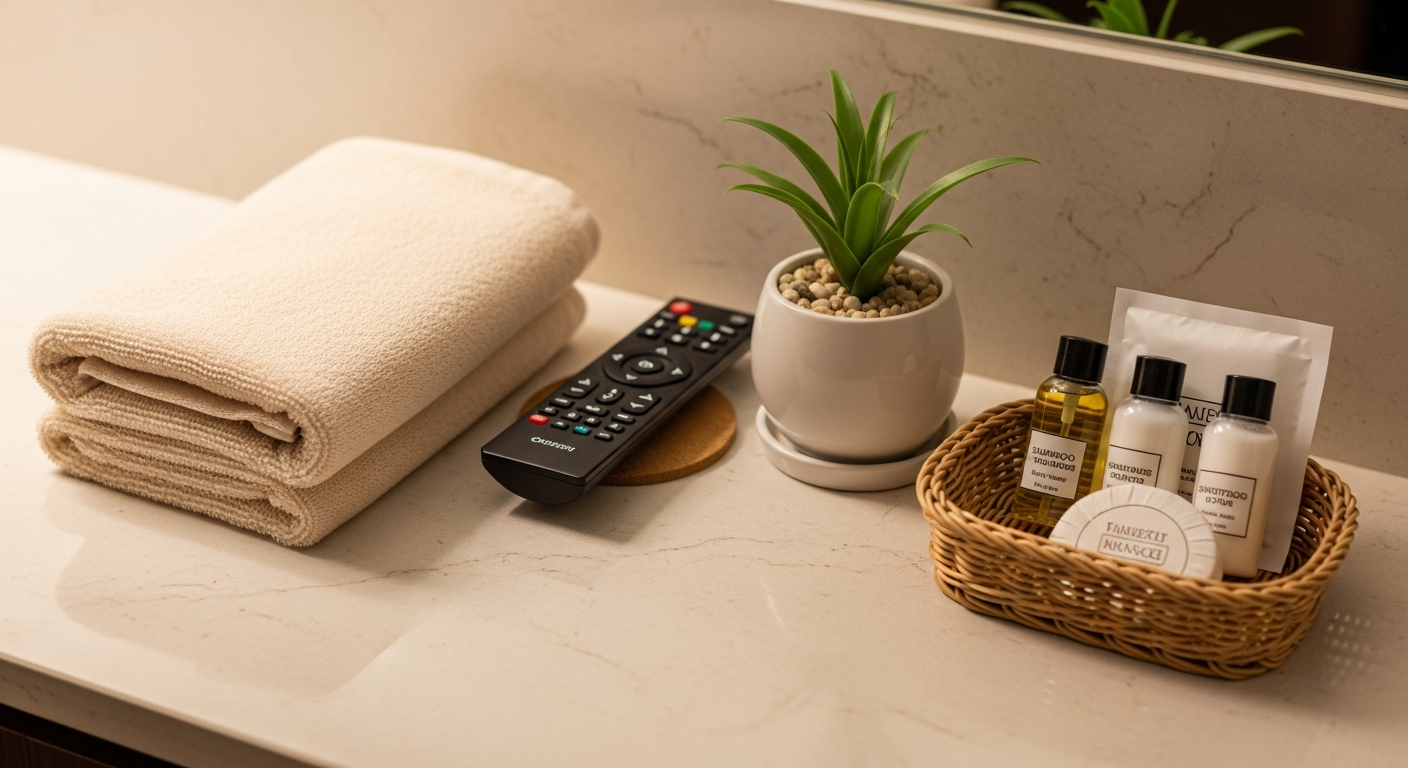
A vacation rental is someone’s investment, often their second home, or even their primary residence. The core of good vacation rental etiquette lies in treating the property with the same care and respect you would give your own home – if not more so. This extends to every item within the space, from the furniture to the smallest kitchen utensil.
How to Care for Furnishings and Appliances?
The furniture, decor, and appliances provided are for your comfort and convenience. Using them responsibly ensures they remain in good condition for future guests and saves your host from unnecessary replacement costs.
- Gentle Use: Avoid standing on furniture, dragging heavy items across floors, or using appliances in ways they weren’t intended. For example, don’t use kitchen towels to clean up oil spills if paper towels are available, or attempt to repair a broken appliance yourself.
- Protect Surfaces: Use coasters for drinks, placemats for meals, and trivets for hot dishes. These small actions prevent stains and heat damage to tables and countertops. Many hosts provide these items specifically for this purpose.
- Handle Linens and Towels with Care: While accidental stains happen, try to avoid using white towels for makeup removal, cleaning up major spills, or taking them to the beach if specific beach towels are provided. If you do stain something, let your host know.
- Appliance Know-How: If you’re unsure how to operate a specific appliance (e.g., a complex coffee machine, a smart thermostat, or a high-tech oven), check the house manual or reach out to your host. Don’t force knobs or buttons.
How to Maintain Cleanliness During Your Stay?
While you pay a cleaning fee, this fee typically covers professional deep cleaning between guests, not daily maid service or extensive remediation of excessive mess. Good vacation rental etiquette means keeping the property reasonably tidy throughout your stay.
- Kitchen Courtesy: The kitchen is often a shared space (even if only by your group) and can quickly become messy.
- Wash dishes regularly, or load and run the dishwasher. Don’t leave dirty dishes piled in the sink.
- Wipe down countertops after use.
- Clean up spills promptly to prevent stains or pest attraction.
- Store food properly in sealed containers or the refrigerator.
- If you use the grill, clean it after each use as a courtesy.
- Bathroom Basics: Keep bathrooms tidy. Flush toilets, wipe down sinks, and don’t leave excessive wet towels on the floor.
- General Tidiness: Avoid leaving trash strewn about. Use the provided bins. Pick up after yourself and your travel companions.
Real-world Example: As experts at Vacation Rental Planners, we’ve observed that a host recently shared how a group of guests left their kitchen in disarray, with unwashed dishes caked with food, sticky counters, and overflowing trash. This significantly delayed the next check-in as the cleaning crew had to spend extra hours on basic tidying, incurring additional costs for the host. A small amount of effort daily could have prevented this.
How to Responsibly Use Amenities (Pools, Hot Tubs, Fire Pits)?
Many vacation rentals offer fantastic amenities that enhance the stay, but they come with responsibilities.
- Follow Safety Rules: Adhere to all posted rules regarding pools, hot tubs, fire pits, and any other recreational equipment. This is paramount for your safety and to prevent damage.
- Chemical Balance (Hot Tubs/Pools): Avoid adding anything to the water of hot tubs or pools that could disrupt the chemical balance (e.g., bath bombs, excessive oils). Shower before using them if requested.
- Fire Pit Finesse: If using a fire pit, ensure you know how to safely light and extinguish it. Never leave a fire unattended, and always check for local fire bans. Use only approved fuel (e.g., firewood, not trash).
- Return Items: If you use pool toys, games, or other shared items, return them to their designated storage areas.
Noise, Neighbors, and Community Harmony: How to Be a Good Temporary Local?
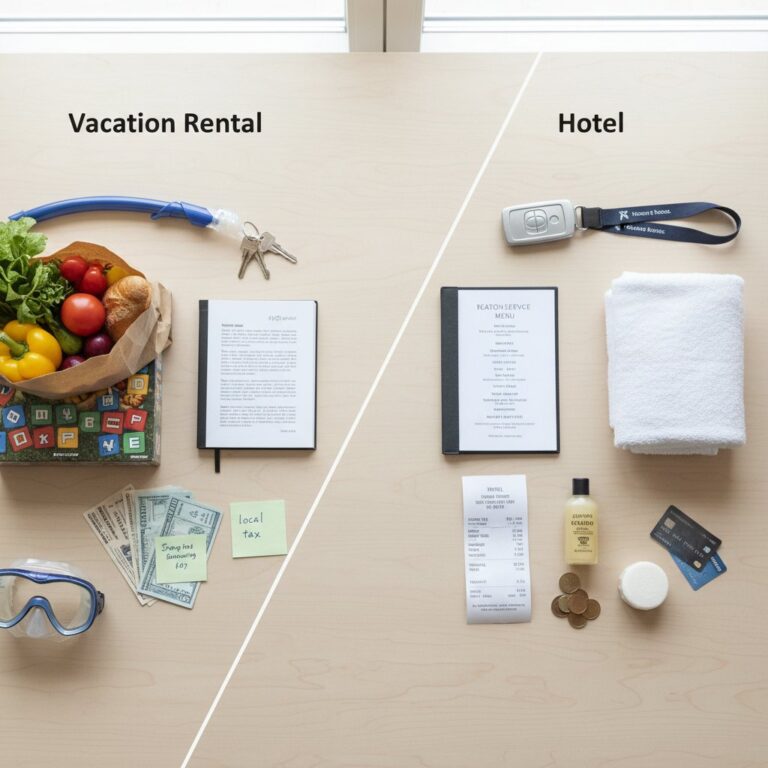
One of the most critical aspects of vacation rental etiquette, particularly in residential areas, is showing respect for the neighbors and the local community. Unlike a hotel, where your immediate neighbors are also transients, vacation rental neighbors are permanent residents whose daily lives can be significantly impacted by guest behavior. Many cities are implementing stricter regulations on short-term rentals due to neighbor complaints, making respectful conduct more important than ever.
How to Understand and Adhere to Quiet Hours?
Most residential areas have specific quiet hours, often between 10 PM and 7 AM. These are not merely suggestions; they are often local ordinances designed to ensure peace and quiet for residents.
- Mind Your Volume: During quiet hours, keep voices down, turn down music and TV volumes, and be mindful of slamming doors or heavy footsteps. This is especially true for outdoor spaces like patios, balconies, or pools.
- Outdoor Gatherings: If you’re enjoying an evening outdoors, transition inside before quiet hours begin. Even normal conversation can carry far in the quiet of the night.
- Children and Pets: Ensure children are supervised and quiet during these hours. If traveling with a pet, ensure they are not barking excessively, particularly late at night or early morning.
Specific Data Point: A survey by the National Association of Realtors found that noise complaints are among the top reasons for community opposition to short-term rentals, alongside parking issues and trash accumulation.
What are Party Policies and Guest Limits?
Most vacation rentals prohibit parties or large gatherings beyond the registered guests. This is a crucial rule for several reasons: protecting the property from damage, maintaining good neighbor relations, and complying with insurance policies.
- No Undisclosed Guests: Never host a party or invite unregistered guests to stay overnight without explicit permission from your host. This violates most rental agreements and can lead to immediate cancellation of your stay without a refund. Our experience shows that clear communication and adherence to guest screening processes are vital.
- Be Honest About Your Intentions: If you are planning a small, quiet family reunion or a dinner party with a few local friends, discuss it with your host beforehand. They might be amenable with prior notification and agreement on rules, but unannounced events are almost always a problem.
What is the Proper Parking Protocol?
Parking can be a significant issue in many residential areas. Adhering to the host’s parking instructions is paramount.
- Follow Designated Spots: Park only in designated spots. If street parking is available, be aware of any restrictions (e.g., street sweeping days, permit requirements) and avoid blocking driveways or mailboxes of neighbors.
- Consolidate Vehicles: If you have multiple cars, try to consolidate them or use off-site public parking if available, rather than monopolizing limited street parking.
How to Engage with the Local Community Respectfully?
Remember that you are a temporary visitor in someone else’s neighborhood. A little courtesy goes a long way.
- Politeness: A simple wave or “hello” to neighbors you encounter can foster goodwill.
- Support Local Businesses: Patronizing local cafes, shops, and restaurants shows support for the community that hosts you.
- Follow Local Customs: Be aware of and respect local customs or norms. For example, if it’s common for residents to remove shoes indoors, consider doing the same.
Waste Management & Environmental Responsibility: What Guests Need to Know?
Our planet’s resources are finite, and responsible waste management and environmental consciousness are integral to good vacation rental etiquette. Many hosts actively try to minimize their environmental footprint, and guests can significantly contribute to these efforts.
How to Ensure Proper Waste Sorting and Disposal?
Recycling and waste disposal rules vary widely by municipality and even by building. It’s crucial to understand and follow the local guidelines provided by your host.
- Identify Bins: Locate all designated bins for trash, recycling (glass, plastic, paper), and possibly compost. Many hosts provide clear labels.
- Follow Collection Schedules: Pay attention to the trash and recycling collection days. If your stay overlaps with a collection day, follow instructions for placing bins out and bringing them back in. Leaving bins out for too long can be an eyesore or a pest magnet.
- Dispose of Special Items: Never flush anything other than toilet paper down the toilet. Dispose of feminine hygiene products, wet wipes, and other non-biodegradable items in the trash. Similarly, cooking oils and grease should be collected and disposed of in the trash, not poured down the drain, as they can cause significant plumbing issues.
- Reduce Waste: Try to minimize your use of single-use plastics and packaging during your stay. Consider bringing reusable bags for groceries and a refillable water bottle, aligning with eco-friendly travel tips.
How to Conserve Resources: Energy and Water?
Mindful use of utilities not only helps the environment but also reduces your host’s operational costs, potentially keeping rental prices more affordable.
- Turn Off Lights and Electronics: When leaving a room or the property, switch off lights, fans, and unnecessary electronics.
- Manage Thermostat Wisely: Avoid excessively high heating or low air conditioning settings. Set the thermostat to a comfortable, but not extreme, temperature. If leaving the property for an extended period, adjust the thermostat to an energy-saving setting, as directed by your host. Many hosts install smart thermostats with pre-set energy-saving modes.
- Water Conservation: Take shorter showers, turn off the tap while brushing your teeth or washing dishes, and report any leaky faucets or running toilets to your host immediately.
Pet Etiquette & Adhering to Specific Guest Policies: What You Need to Know?
Traveling with pets can be a joyous experience, and many vacation rentals are becoming increasingly pet-friendly. However, this privilege comes with a heightened sense of responsibility. Similarly, adhering to all specific policies outlined by your host ensures a harmonious stay for everyone.
What is Responsible Pet Ownership in a Vacation Rental?
If the vacation rental is pet-friendly, it’s a huge bonus, but you must ensure your pet is as well-behaved as you are. For ideas on where to go, check out our guide to top pet-friendly vacation destinations.
- Declare Your Pet: Always declare your pet during the booking process, even if the listing states “pets allowed.” There might be specific pet fees, breed restrictions, or a limit on the number of pets.
- Leash and Supervise: Keep your pet leashed when outside the property, especially in common areas or neighborhoods. Never leave a pet unattended outside.
- Clean Up Waste: Always pick up after your pet immediately, both on and off the property. Dispose of waste properly in designated bins.
- Prevent Damage:
- Bring your pet’s bed, blankets, and toys to help them feel comfortable and prevent them from using the host’s furniture.
- Consider crating your pet if you leave them alone in the rental, especially if they are prone to anxiety or chewing.
- Wipe muddy paws before entering the house.
- If your pet has an accident, clean it thoroughly and notify your host, even if you’ve cleaned it yourself. They might have specific cleaning products to prevent lingering odors.
- Manage Noise: Prevent excessive barking, especially during quiet hours. A stressed pet can quickly become a nuisance to neighbors.
Real-world Example: Our experience shows that a host in a popular coastal town reported having to replace an entire sofa and professionally clean carpets due to undeclared pets causing significant damage. This led them to reconsider their pet-friendly policy, impacting future guests who are responsible pet owners.
How to Strictly Adhere to Other Specific Policies?
Beyond pets, hosts often have other crucial policies that must be respected.
- Smoking Policies: If the property is non-smoking, respect this absolutely. This typically means no smoking indoors, and often not on balconies or patios either. If outdoor smoking is permitted, use ashtrays and ensure proper disposal of butts. Smoking indoors can lead to significant cleaning fees (often hundreds of dollars) to remove lingering odors.
- Firearm Policy: Some properties may have specific rules regarding firearms. Always check and respect these.
- Security and Access: Do not tamper with security systems, cameras, or smart locks. Do not share access codes or keys with unauthorized individuals. Ensure windows and doors are locked when you leave the property or go to bed.
- Pool/Hot Tub Rules: As mentioned before, specific rules often apply, such as showering before use, no glass in pool areas, and age restrictions. These are for safety and maintenance.
Departure Protocol: How to Leave a Lasting Positive Impression?
The final act of good vacation rental etiquette is a graceful and responsible departure. While cleaning fees cover professional services, leaving the property in a reasonable state shows respect for your host and the next guests. A smooth checkout can also influence your post-stay review.
How to Follow Checkout Instructions?
Your host will almost certainly provide specific checkout instructions. These are not optional suggestions; they are critical steps to ensure a seamless transition for the cleaning crew and the next guests.
- Read and Follow: Carefully read all checkout instructions, whether provided in a house manual, via messaging, or on a physical checklist.
- Typical Requests: Common requests include:
- Washing and putting away dishes, or loading and starting the dishwasher.
- Taking out all trash and recycling to the designated bins.
- Stripping beds and placing used linens and towels in a specific area (or leaving them on the floor).
- Turning off all lights, fans, and appliances.
- Setting the thermostat to a specific temperature.
- Locking all doors and windows.
- Returning keys or fobs to their designated spot.
- Adhere to Checkout Time: Respect the agreed-upon checkout time. Cleaning crews often have tight schedules, and late departures can cause significant delays and inconvenience for them and incoming guests. If you need a later checkout, request it well in advance, and be prepared for an additional fee or a polite refusal if it’s not possible. For a detailed guide, see our vacation rental cleaning checklists.
What Basic Tidying Up is Expected?
Beyond specific instructions, a general tidiness goes a long way. This isn’t about deep cleaning, but rather leaving the space organized and ready for the cleaning crew to do their job efficiently.
- Collect Your Belongings: Double-check all rooms, closets, and drawers to ensure you haven’t left anything behind.
- Consolidate Trash: Gather all trash from smaller bins and place it in the main designated trash receptacle(s).
- Quick Wipe-Downs: A quick wipe of heavily used surfaces (like kitchen counters if you’ve been cooking) can be appreciated.
Why is Post-Stay Communication and Feedback Important?
Your interaction with your host doesn’t necessarily end when you close the door. Thoughtful post-stay communication benefits everyone.
- Notify of Departure: A quick message to your host letting them know you’ve checked out can be a nice courtesy.
- Provide Constructive Feedback: Both guests and hosts rely heavily on reviews. Be honest and fair in your review, highlighting positives and offering constructive criticism for areas that could be improved. If you experienced any issues during your stay, it’s often best to communicate them directly to the host first, giving them a chance to address them, before writing a public review.
- Retrieve Forgotten Items: If you realize you’ve left something behind, contact your host immediately. While they aren’t obligated to ship items, most reputable hosts will do their best to help, though you’ll likely be responsible for shipping costs.
Conclusion: The Virtuous Cycle of Good Vacation Rental Etiquette
Embracing excellent vacation rental etiquette is more than just following rules; it’s about being a considerate traveler who contributes positively to the experience of others. By communicating clearly, respecting the property and its contents, being a good neighbor, managing waste responsibly, and adhering to all specific policies, you ensure a smoother, more enjoyable stay for yourself. More importantly, you cultivate happy hosts who are eager to welcome guests like you again, fostering trust and community within the vacation rental industry.
Ultimately, a positive guest experience often leads to a positive host review, which in turn opens doors to more fantastic vacation rentals in the future. So, on your next trip, remember that a little thoughtfulness goes a long way. Be the guest every host wishes for, and enjoy the unparalleled freedom and comfort that vacation rentals offer. Plan your next adventure with Vacation Rental Planners, and make every stay a five-star experience for everyone involved!
Frequently Asked Questions
About the Author
Sarah Chen is a Senior Travel Consultant at Vacation Rental Planners, bringing over a decade of experience in the short-term rental industry. Her expertise lies in crafting seamless travel experiences and fostering positive relationships between guests and hosts. Sarah is passionate about sustainable tourism and educating travelers on responsible practices. Connect with her on LinkedIn.