
The Art of Flight Hacking & Smart Timing for Your Hawaiian Escape
Your journey to Hawaii begins long before you feel the warm sand between your toes – it starts with securing affordable flights. This is often the single largest expense, but with a strategic approach, you can significantly reduce its impact on your overall budget. Think of it like mapping out a complex route for a six-month long road trip; careful planning and flexibility are your greatest assets.
Firstly, timing is everything. The peak seasons for Hawaii generally align with school holidays and winter breaks (December-March, June-August). To find the best deals, aim for the shoulder seasons: April-May and September-November. During these periods, the weather is still fantastic, but the crowds are thinner, and airfare and accommodation prices tend to drop considerably. Flying mid-week (Tuesday-Thursday) often yields lower prices than weekend travel. Consider flying out on a less popular day, even if it means extending your trip by a day or two; the savings could more than compensate for the extra time.
Next, become a master of flight comparison tools. Websites like Google Flights, Skyscanner, and Kayak allow you to compare prices across multiple airlines and often have features like “flexible dates” or “anywhere” searches, which can reveal surprising deals. Set up price alerts for your desired dates and destinations; you’ll receive notifications when fares drop, allowing you to pounce on a good offer. Don’t be afraid to experiment with different airport combinations. Sometimes, flying into a less popular airport on an island and then taking a short inter-island flight can be cheaper than flying directly into a major hub.
Loyalty programs and credit card points can be game-changers. If you’re a frequent flyer or have travel rewards credit cards, start saving up those points well in advance. Many airlines offer direct flights to Hawaii from major US cities, and redeeming points for these flights can turn a significant expense into almost nothing. Even if you don’t have enough for a full redemption, using points to cover a portion of the fare or to upgrade a basic economy seat can add immense value. Begin planning your point accumulation strategy now for your 2026 trip.
Lastly, consider the “red-eye” flight option. While not always the most comfortable, overnight flights can often be significantly cheaper. Plus, you gain an extra day on the islands, arriving early in the morning, refreshed and ready to begin your adventure after a quick nap or coffee. By approaching your flight search with patience, flexibility, and a little bit of cunning, you’ll be well on your way to a budget-friendly Hawaiian escape.
Savvy Stays: Vacation Rentals & Alternative Accommodations for Less
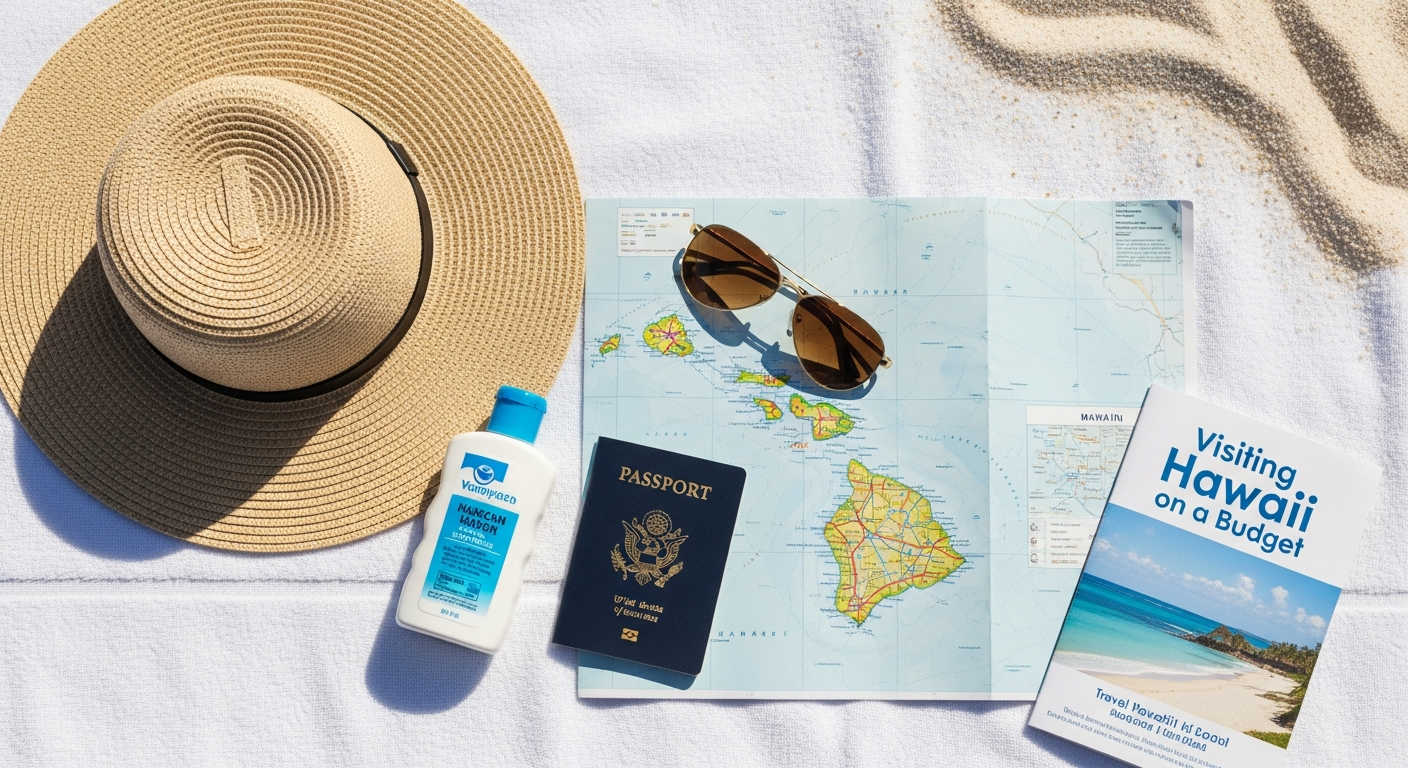
Once your flights are booked, the next major budget consideration is where you’ll lay your head at night. Forget the sprawling, expensive resorts if you’re aiming for a truly economical Hawaiian vacation. Instead, embrace the world of vacation rentals and other savvy lodging options that offer more bang for your buck and an authentic local experience.
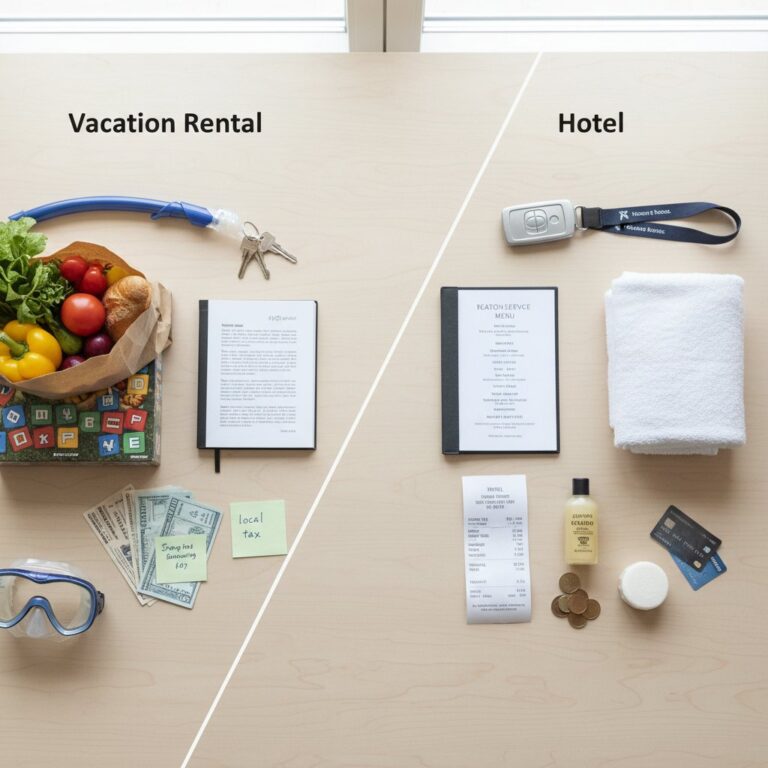
As Vacation Rental Planners, we can’t emphasize enough the incredible value that vacation rentals provide for budget travelers. Sites like Airbnb, VRBO, and local Hawaiian rental agencies offer everything from cozy studios to spacious homes, often at a fraction of the cost of a hotel room. The primary advantage? A fully equipped kitchen. This single feature can revolutionize your food budget, allowing you to prepare breakfasts, pack lunches, and cook dinners, rather than relying solely on expensive restaurant meals. Imagine waking up, brewing your own Kona coffee, and enjoying a homemade breakfast on your lanai, all while saving a significant amount of money. This proactive approach to living and dining is a skill you might also develop when considering how to get ready for a move to a new city, where understanding local amenities and self-sufficiency are key.
Beyond the kitchen, vacation rentals often provide more space and privacy than traditional hotels, which is fantastic if you’re traveling with family or a group of friends. Splitting the cost of a larger rental among several people can make luxurious accommodations surprisingly affordable. Look for rentals slightly off the main tourist strips; you’ll often find better deals and gain a more genuine sense of local life. Booking well in advance for your 2026 trip is crucial, especially for popular areas or specific types of rentals, as this gives you the widest selection and often the best prices.
For the truly adventurous and budget-conscious, consider other alternatives. Hostels in Hawaii, while not as prevalent as in some other travel destinations, do exist, particularly in Honolulu and on Maui, offering dormitory-style rooms or private rooms at very low prices. They’re also fantastic for meeting fellow travelers and sharing tips. Guesthouses or bed and breakfasts, often run by locals, can provide a charming, personalized experience at a more reasonable cost than larger hotels.
Camping is another fantastic option for those who love the outdoors and want to connect deeply with nature. Hawaii offers numerous state and county campgrounds, many with stunning beachfront locations. However, be aware that camping permits are required and often book up months in advance, so meticulous planning for 2026 is essential here. This level of foresight is akin to how to prepare for a six-month long road trip, where every detail from sleeping arrangements to daily provisions must be considered and secured well ahead of time. Whichever option you choose, remember that a little research and flexibility in your lodging can unlock significant savings, allowing you to allocate more of your budget to unforgettable experiences.
Culinary Adventures on a Shoestring: Eating Well for Less in Paradise
Make your local grocery store your best friend. Upon arrival, head straight to a supermarket like Foodland, Safeway, or Walmart to stock up on essentials. Purchase ingredients for breakfasts (oatmeal, eggs, fruit), sandwich supplies for lunches, and easy dinner items like pasta, rice, or fresh local fish. Cooking just one or two meals a day at your rental can save hundreds of dollars over the course of your trip. This proactive stocking up is similar to the detailed provisioning required when you’re planning how to prepare for a six-month long road trip – you need to ensure you have what you need to sustain yourself without constant expensive stops.
Don’t miss Hawaii’s vibrant farmers’ markets! They are an incredible source of fresh, locally grown produce, tropical fruits, and artisanal goods, often at prices far more reasonable than grocery stores. Beyond saving money, you’ll be supporting local farmers and experiencing the true taste of the islands. Grab some exotic fruits for snacks, fresh vegetables for a salad, or ingredients for a simple, delicious stir-fry back at your rental. Farmers’ markets also offer prepared foods, which can be a budget-friendly lunch option.
When you do eat out, think local. Embrace Hawaii’s famous “plate lunch” culture. These hearty meals, typically consisting of a main dish (like kalua pig, chicken katsu, or fresh fish), two scoops of rice, and macaroni salad, are delicious, filling, and incredibly affordable. Look for local diners, food trucks, and hole-in-the-wall eateries rather than tourist traps. Yelp and Google Maps can be your guides to finding these hidden gems. Food trucks, in particular, offer a fantastic variety of cuisines, from poke bowls to garlic shrimp, at very reasonable prices.
Another excellent strategy is to take advantage of happy hour deals. Many restaurants offer discounted appetizers and drinks during specific hours, making it a great time to sample some local flavors without breaking the bank. Some restaurants also allow BYOB (Bring Your Own Bottle), which can significantly cut down on beverage costs. Always ask in advance. Finally, a simple tip: always carry a reusable water bottle. Staying hydrated is essential in the Hawaiian heat, and refilling your bottle is free, environmentally friendly, and saves you from constantly buying bottled water.
By blending home-cooked meals with strategic, authentic local dining, you’ll not only keep your budget in check but also savor a richer, more genuine taste of Hawaii. This mindful approach to consumption is a valuable habit, much like researching the best local services and amenities when considering how to get ready for a move to a new city.
Embrace the Aloha Spirit: Free & Frugal Activities on the Islands
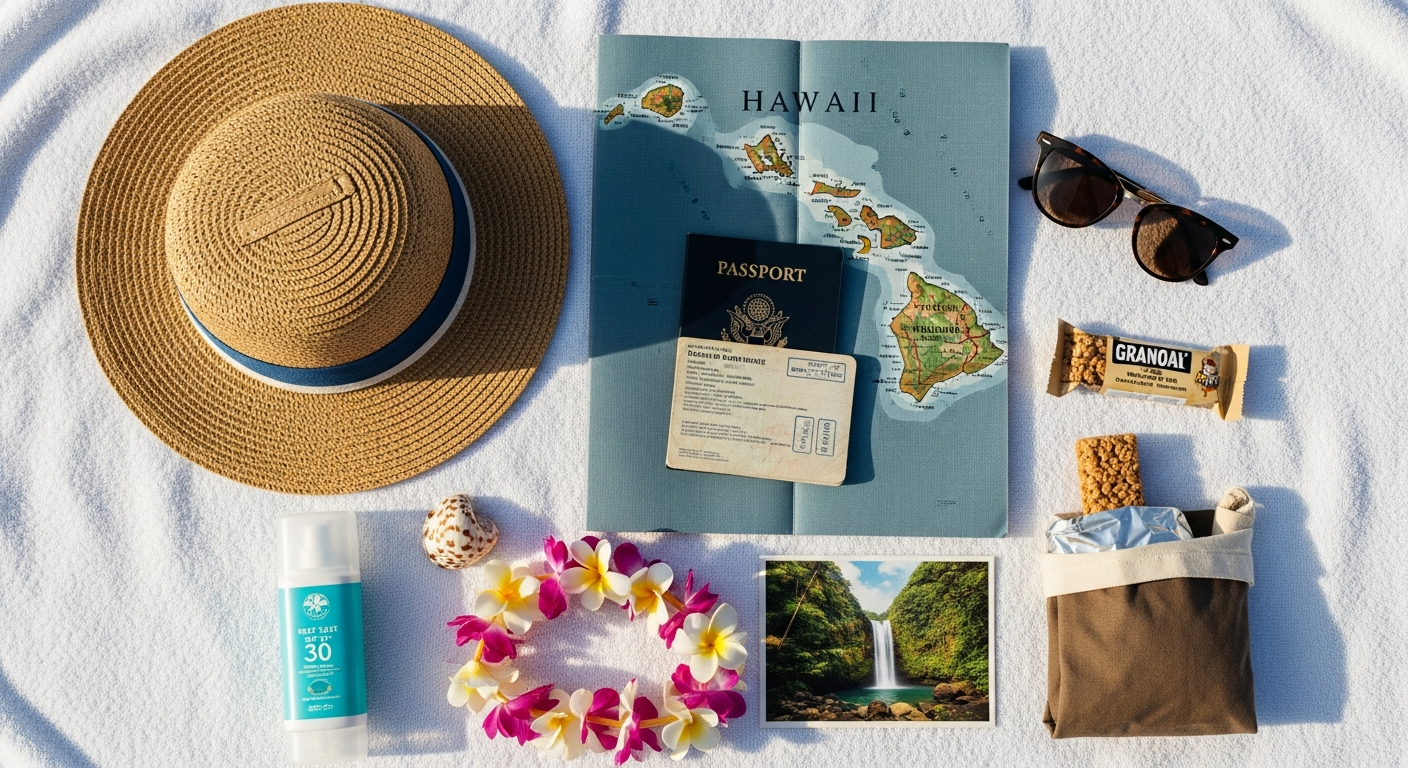
Hawaii’s greatest treasures are its natural wonders, and the best part? Many of them are absolutely free or incredibly low-cost. This is where your adventurous spirit truly pays off, allowing you to immerse yourself in the islands’ beauty without spending a fortune. Your itinerary for 2026 can be packed with unforgettable experiences that won’t empty your wallet.
Hit the Beaches: This one is a no-brainer. Hawaii boasts some of the most stunning beaches in the world, and access to them is almost universally free. Spend your days swimming, sunbathing, building sandcastles, or simply relaxing and listening to the waves. Each island has its iconic stretches of sand – Waikiki on Oahu, Ka’anapali on Maui, Poipu on Kauai, and Hapuna on the Big Island are just a few. Pack your own towels, snacks, and reef-safe sunscreen to maximize savings.
Go Hiking: The islands are crisscrossed with incredible hiking trails, offering unparalleled views, lush rainforests, and stunning waterfalls. From easy coastal strolls to challenging volcanic treks, there’s a trail for every fitness level. Some popular free hikes include the Makapu’u Lighthouse Trail on Oahu, the Pipiwai Trail to Waimoku Falls on Maui (though it’s within Haleakala National Park, which has an entry fee if you don’t have an annual pass), and numerous trails within state parks. Always research trail conditions, bring plenty of water, and wear appropriate footwear. This kind of extensive pre-trip research is vital, much like the meticulous planning involved in how to prepare for a six-month long road trip, where understanding your route and potential challenges is paramount.
Snorkeling & Swimming: If you bring your own snorkel gear from home (a smart packing tip!), you can enjoy Hawaii’s vibrant underwater world for free. Many beaches offer excellent snorkeling right from the shore. Just remember to be respectful of marine life and never touch or stand on coral. If you don’t own gear, consider renting it for a few days rather than buying, or look for budget-friendly sets at local discount stores.
Chase Sunrises and Sunsets: Hawaii offers some of the most spectacular sunrises and sunsets on the planet. Find a scenic lookout, a quiet beach, or even your vacation rental’s lanai, and simply soak in the breathtaking natural spectacle. It’s a completely free, deeply moving experience that will be among your most cherished memories.
Explore Scenic Drives: Renting a car for a day or two can be worth it for a scenic drive. The Road to Hana on Maui, the Circle Island Drive on Oahu, or the scenic routes around Kauai offer stunning vistas, roadside waterfalls, and charming small towns. Pack a picnic, download an offline map, and enjoy the journey.
Discover Local Culture: Look for free hula shows, cultural demonstrations, or local festivals. Many shopping centers and hotels offer complimentary performances. Check local community calendars or ask your vacation rental host for recommendations on free events happening during your 2026 visit. Some botanical gardens offer free admission or suggest a donation, providing another peaceful and beautiful way to spend an afternoon. By focusing on Hawaii’s natural beauty and rich culture, you’ll create an incredibly fulfilling trip without breaking the bank.
Navigating the Islands Without Breaking the Bank: Transportation on a Dime
Getting around Hawaii can quickly become a significant expense, especially if you opt for daily car rentals or frequent taxi/rideshare services. However, with smart planning and a willingness to explore alternatives, you can navigate the islands efficiently and affordably. Just as you’d meticulously plan logistics for how to get ready for a move to a new city, understanding local transit options is key.
Public Transportation: Oahu boasts the most comprehensive public transportation system in Hawaii, known as TheBus. It offers extensive routes covering major tourist areas, beaches, and neighborhoods, including a route from Waikiki to the North Shore. A single ride is affordable, and multi-day passes are available, making it an excellent option for exploring Oahu. Maui also has a smaller, but effective, bus system that can get you to many popular spots. For other islands like Kauai and the Big Island, public transport is much more limited, making a rental car more essential for exploring beyond specific resort areas.
Strategic Car Rental: While we advocate for public transport where available, a rental car can be invaluable for exploring the more remote and stunning parts of certain islands. The trick is not to rent one for your entire trip if you don’t need it every day. Consider renting a car for just 2-3 days to explore specific areas (like the Road to Hana on Maui or the Volcanoes National Park on the Big Island) and rely on other methods for the rest of your stay. Book your rental car well in advance for 2026, as prices can skyrocket, especially during peak seasons or for last-minute bookings. Compare prices across major rental companies and local agencies, and always factor in gas costs, which can be higher in Hawaii.
Ride-Sharing & Taxis: Uber and Lyft are available on the major islands (Oahu, Maui, Kauai, Big Island) and can be useful for airport transfers or short distances, especially if you’re traveling in a group and can split the fare. However, they can add up quickly for longer journeys. Taxis are generally more expensive but can be a good option for specific needs or late-night travel when other options are scarce.
Biking and Walking: For shorter distances, especially in areas like Waikiki or around charming small towns, walking or renting a bicycle can be a delightful and free (or low-cost) way to get around. Many areas have dedicated bike paths, and exploring on two wheels offers a different perspective of the islands. Check with your vacation rental host; some might even offer complimentary bikes for guest use.
Inter-island Travel: If you plan to visit multiple islands, inter-island flights are your primary option. Hawaiian Airlines and Southwest Airlines offer frequent flights between islands. Book these flights in advance for the best fares, and remember to factor in baggage fees if you’re not traveling carry-on only. There is no longer an inter-island ferry system for passengers, except for a small ferry between Maui and Lanai.
By carefully assessing your itinerary and choosing the most appropriate and economical transportation methods for each leg of your journey, you can significantly reduce your travel costs and free up more of your budget for experiences. This thoughtful allocation of resources is a hallmark of any successful budget trip, akin to the careful financial planning required for a truly extended journey, such as how to prepare for a six-month long road trip.
Packing Smart & Pre-Trip Preparation for Your Budget Hawaiian Escape
A successful budget trip to Hawaii in 2026 isn’t just about finding deals; it’s also about smart preparation and efficient packing. Every decision you make before you even step on the plane can contribute to significant savings once you arrive. Think of this phase as similar to the meticulous checklist you’d create when considering how to get ready for a move to a new city – anticipating needs and preparing for a new environment.
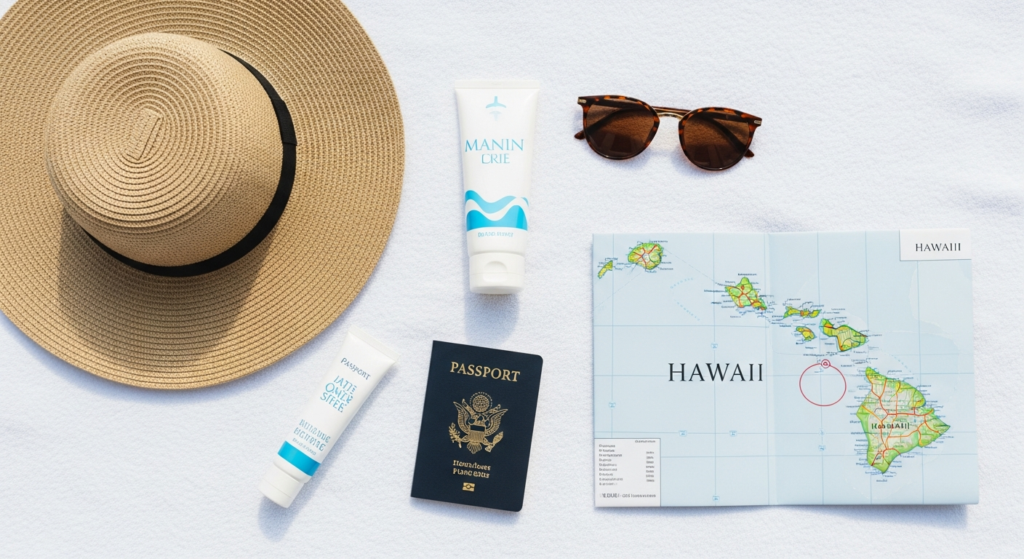
Pack Light, Pack Smart: This is arguably one of the most impactful budget tips. Aim for a carry-on only if possible. Checked baggage fees can quickly add up, especially if you’re taking inter-island flights. Focus on versatile, lightweight clothing suitable for warm weather – swimwear, shorts, t-shirts, a light jacket for evenings, and comfortable walking sandals. Roll your clothes to maximize space. By minimizing luggage, you not only save on fees but also make transit easier and faster.
Bring Your Own Essentials: Don’t rely on buying everything once you’re there, as prices in Hawaii can be inflated.
- Reef-Safe Sunscreen: Hawaii has banned sunscreens containing oxybenzone and octinoxate to protect its precious coral reefs. Bring your own reef-safe sunscreen from home; it will likely be cheaper than buying it on the islands.
- Reusable Water Bottle: Essential for staying hydrated and avoiding plastic waste. Fill it up at your vacation rental or public water fountains.
- Snorkel Gear: If you plan on snorkeling often, bringing your own mask and snorkel can save daily rental fees.
- Basic First-Aid Kit: Small cuts, scrapes, or sunburns happen. A compact kit with band-aids, antiseptic wipes, pain relievers, and aloe vera can save you a trip to an expensive pharmacy.
- Reusable Shopping Bags: Many Hawaiian counties have plastic bag bans, and reusable bags are handy for grocery runs and farmers’ market visits.
Create a Detailed Budget: Before you leave, sit down and map out a realistic budget for every aspect of your trip: flights, accommodation, food, activities, transportation, and a small buffer for incidentals. Track your spending throughout your trip to stay on track. There are many free budgeting apps that can help with this, ensuring you don’t overspend unexpectedly. This level of financial foresight is a critical element of managing any major life event or extended travel, aligning with the discipline needed for how to prepare for a six-month long road trip.
Research & Plan Ahead: While spontaneity is fun, for a budget trip, a degree of planning is essential. Research free activities, happy hour deals, and local eateries before you go. Know which days specific attractions might offer free admission or discounts. Having a general idea of your daily itinerary can prevent impulsive, expensive decisions. Look into local customs and etiquette to ensure a respectful and smooth experience.
Share Your Adventures: After your amazing, budget-friendly trip, consider sharing your experiences. Just like the benefits of sending holiday cards, which help maintain connections and share joy, sharing your travel stories and photos with friends and family can inspire them and allow you to relive your memories. You might even discover that some of your network have points or advice to share for future trips, or simply enjoy hearing about your smart travel hacks!
By preparing meticulously and packing thoughtfully, you set yourself up for a stress-free and financially sound Hawaiian adventure in 2026. Every small saving adds up, allowing you to truly immerse yourself in the magic of the islands.
Mindset & Making Memories: Beyond the Budget in Hawaii
While budgeting is crucial for making your Hawaiian dream a reality, an equally important element is your mindset. Approaching your trip with flexibility, an open heart, and a focus on experiences over extravagant purchases will ensure that your budget-friendly vacation is not just affordable, but also deeply enriching and memorable. This is where the adventurous, practical, and inspiring tone of your journey truly comes to life.
Embrace Flexibility and the Unexpected: Even with the best planning for your 2026 trip, things might not always go exactly as anticipated. A sudden downpour might cancel a beach day, or a bus schedule might change. Instead of getting frustrated, embrace the unexpected. These unplanned moments often lead to some of the most unique and cherished memories. Maybe that rain leads you to a charming local cafe you wouldn’t have discovered otherwise, or an unexpected detour reveals a breathtaking vista. This adaptability is a key trait of seasoned travelers, much like those who successfully navigate how to prepare for a six-month long road trip – they know that not everything will go to plan, and embracing the journey is part of the adventure.
Focus on Experiences, Not Expensive Things: Hawaii offers a wealth of incredible experiences that cost little to nothing. Instead of splurging on designer souvenirs, invest in moments: a sunrise hike, a spontaneous swim in a hidden cove, an evening spent stargazing, or simply sitting on a beach and listening to the waves. These sensory experiences will stay with you far longer than any material possession. Your budget allows you to focus on the authentic beauty and culture of Hawaii, rather than being distracted by consumerism.
Connect with Locals: One of the richest parts of any travel experience is connecting with the people who call the destination home. Strike up conversations with your vacation rental host, local shopkeepers, or fellow adventurers on a hiking trail. Ask for their recommendations for hidden gems or local favorites. You’ll often discover places and insights that no guidebook could offer, and these interactions can provide a deeper understanding and appreciation of Hawaiian culture.
Practice Gratitude: Take a moment each day to appreciate where you are and what you’re experiencing. Whether it’s the warmth of the sun, the beauty of a rainbow, the taste of fresh pineapple, or the sound of the ocean, cultivating an attitude of gratitude enhances every moment of your trip. This positive outlook ensures that your budget doesn’t feel like a limitation, but rather an enabler of a more intentional and mindful travel experience.
Share Your Story: After your incredible budget-friendly Hawaiian adventure, don’t keep it to yourself! Sharing your experiences, photos, and especially your money-saving tips with friends and family can be incredibly rewarding. Just as the benefits of sending holiday cards extend beyond the festive season by strengthening bonds and spreading joy, recounting your travel tales can inspire others to pursue their own dreams of visiting Hawaii on a budget. You might even find yourself becoming an impromptu vacation planner for your loved ones, demonstrating that paradise is indeed accessible to all.
Ultimately, visiting Hawaii on a budget isn’t about deprivation; it’s about smart choices, resourcefulness, and a willingness to embrace the authentic spirit of Aloha. By adopting this mindset, your 2026 trip won’t just be affordable – it will be an inspiring, adventurous, and unforgettable journey into the heart of paradise.
FAQ: Your Budget Hawaii Questions Answered for 2026
Q1: Is it really possible to visit Hawaii on a tight budget in 2026?
A1: Absolutely! While Hawaii has a reputation for being expensive, it is entirely possible to have an incredible trip on a budget in 2026 with careful planning and smart choices. By focusing on affordable accommodation (like vacation rentals with kitchens), strategic transportation, free activities, and cooking your own meals, you can significantly reduce costs. It requires a bit more research and flexibility, but the rewards of experiencing paradise without breaking the bank are immense.
Q2: Which Hawaiian island is the most budget-friendly?
A2: Generally, Oahu tends to be the most budget-friendly island due to its larger population, more extensive public transportation system (TheBus), and a wider variety of dining and accommodation options outside of high-end resorts. The Big Island can also be budget-friendly, particularly if you focus on camping or more remote vacation rentals. Maui and Kauai tend to be pricier, but deals can still be found with diligent searching and off-season travel.
Q3: What’s the best time of year to visit Hawaii on a budget?
A3: The shoulder seasons are your best bet for budget travel to Hawaii in 2026. This means April-May and September-November (excluding Thanksgiving week). During these months, the weather is still beautiful, but airfares and accommodation prices are generally lower, and the islands are less crowded than during peak holiday seasons.
Q4: How can vacation rentals save me money on food in Hawaii?
A4: Vacation rentals often come equipped with full kitchens, which is a game-changer for budget travelers. Being able to buy groceries and prepare your own breakfasts, pack lunches for your adventures, and cook dinners at your rental can save you hundreds of dollars compared to dining out for every meal. This is a primary strategy for keeping your food budget in check, much like planning meals for an extended journey such as how to prepare for a six-month long road trip.
Q5: Are there any free activities to do in Hawaii?
A5: Yes, countless! Hawaii’s natural beauty is its greatest free attraction. You can enjoy stunning beaches, go hiking on numerous trails, witness spectacular sunrises and sunsets, swim, and snorkel (if you bring your own gear) at many public spots. Many cultural events and local festivals are also free. Researching these options before your 2026 trip will help you fill your itinerary with unforgettable, low-cost experiences.
Q6: Should I rent a car for my entire trip to Hawaii on a budget?
A6: Not necessarily for your entire trip. On Oahu, public transportation is quite good, and you might only need a car for specific excursions. On other islands like Maui or the Big Island, a car is more essential for exploration. Consider renting a car for just a few days to cover specific routes or areas, and then rely on public transport, walking, or ride-sharing for other parts of your trip. Booking a rental car far in advance for 2026 can also secure better rates. This flexible approach to transportation is key to saving money.
Recommended Resources
Related reading: Innoshima Japan Travel Guide (Onomichi Guide).
Related reading: Onomichi History And Culture Guide (Onomichi Guide).